A roof is more than a protective cap; it is a system that manages water, wind, temperature swings, and daily wear for the entire structure below it. Homeowners planning repairs or replacement often focus on immediate issues, but true performance is measured over decades. A residential roofing company helps extend that timeline by pairing technical evaluation with practical recommendations that fit the home’s design and climate. When the process is handled carefully, the result is fewer leaks, steadier energy efficiency, and reduced risk of premature material failure.
Evaluating Roof Conditions Thoroughly
Durability begins with a clear understanding of what is happening beneath the shingles or panels. Contractors inspect decking integrity, flashing details, ventilation balance, and signs of trapped moisture. They also document storm damage and age-related deterioration so homeowners can prioritize repairs that prevent small weaknesses from spreading.
Selecting Durable Roofing Materials Wisely
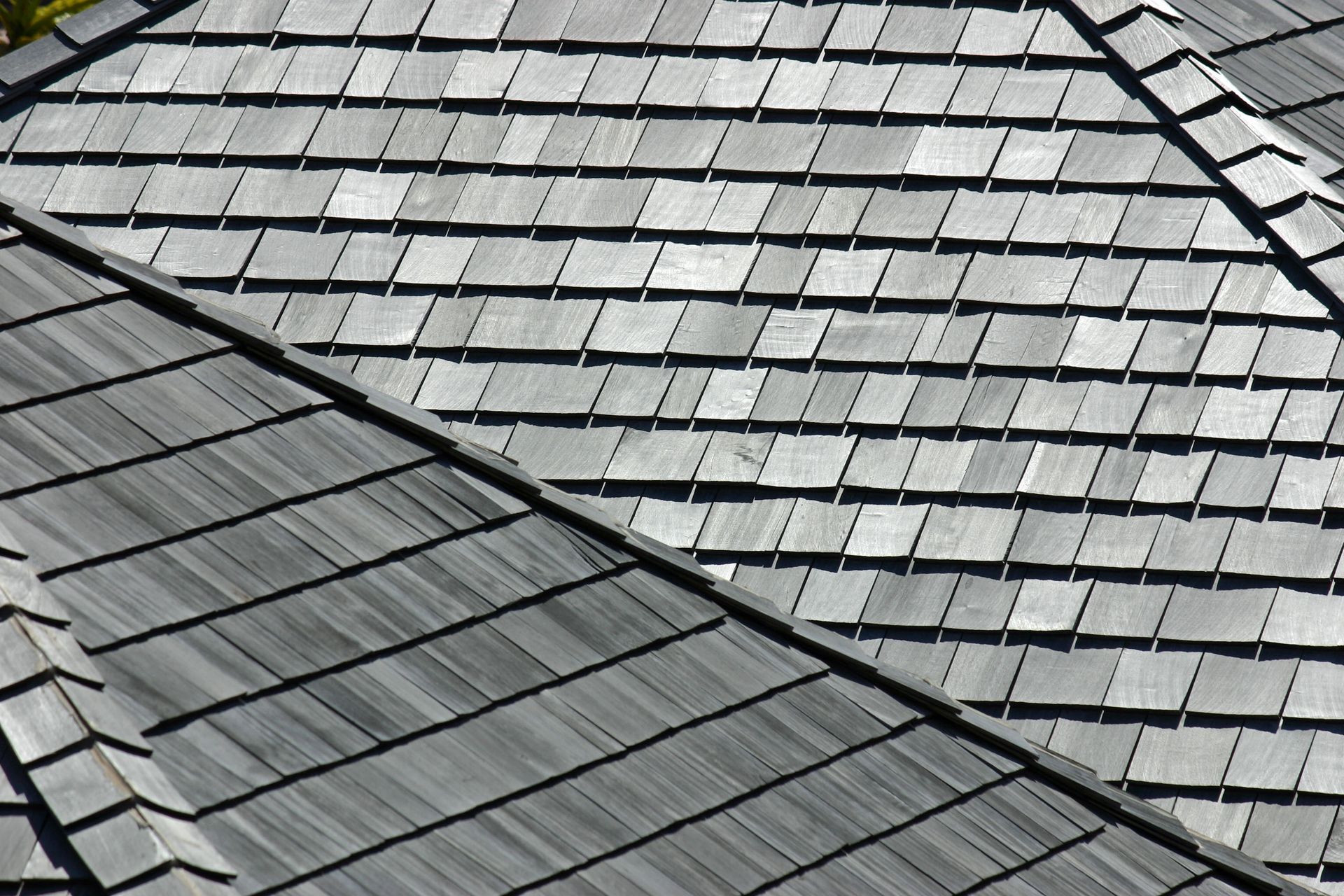
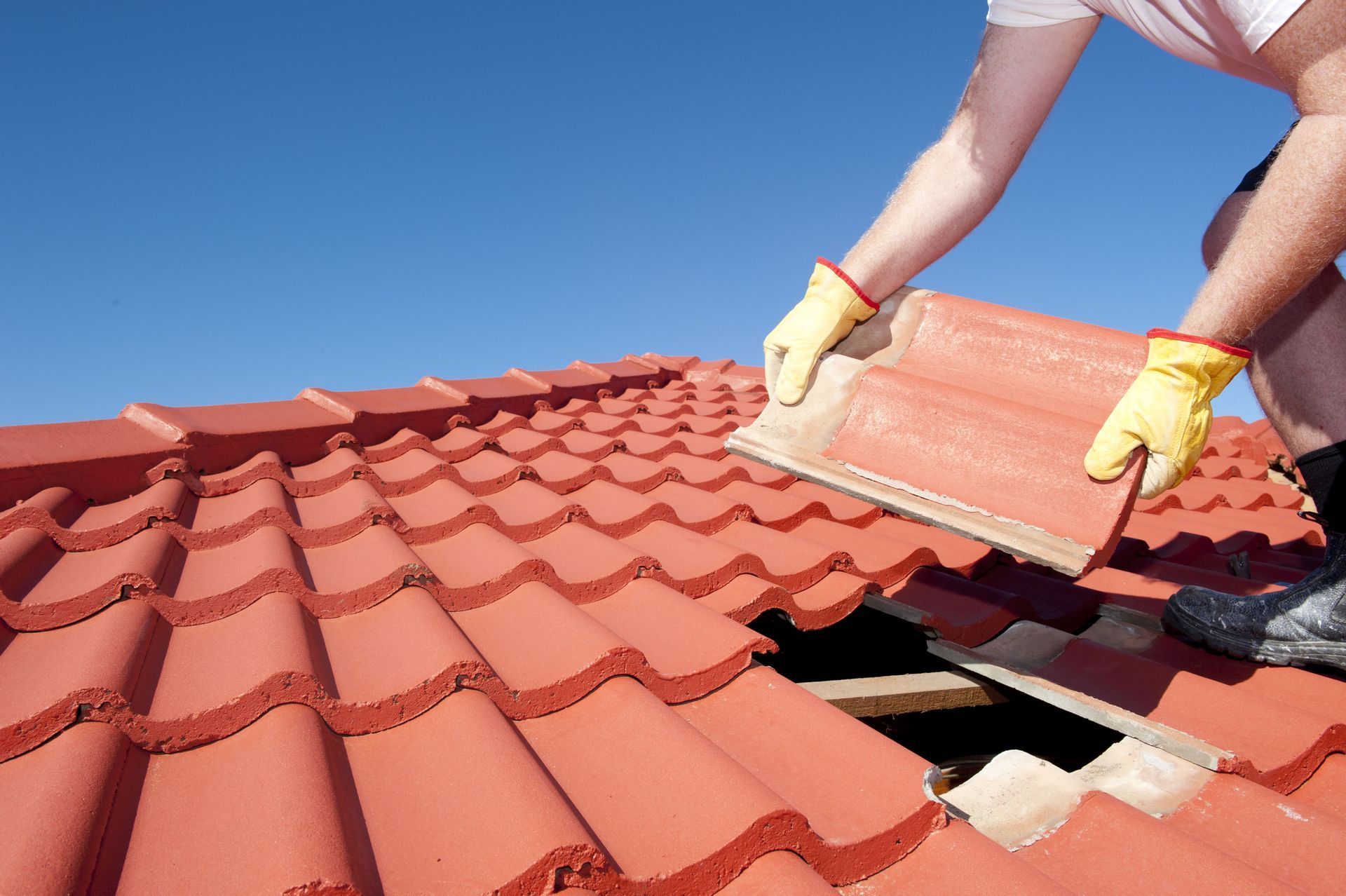
Material choice influences maintenance needs, wind resistance, and lifespan expectations. Contractors explain how asphalt, metal, tile, and composite options perform in different environments, including how underlayment and fasteners affect long-term results. According to Bob Vila, metal roofs can have a lifespan of up to 70 years. When discussing these options, a
residential roofing company can translate product specifications into real-world expectations, including noise control, thermal movement, and corrosion considerations.
Installing Weatherproof Details Precisely
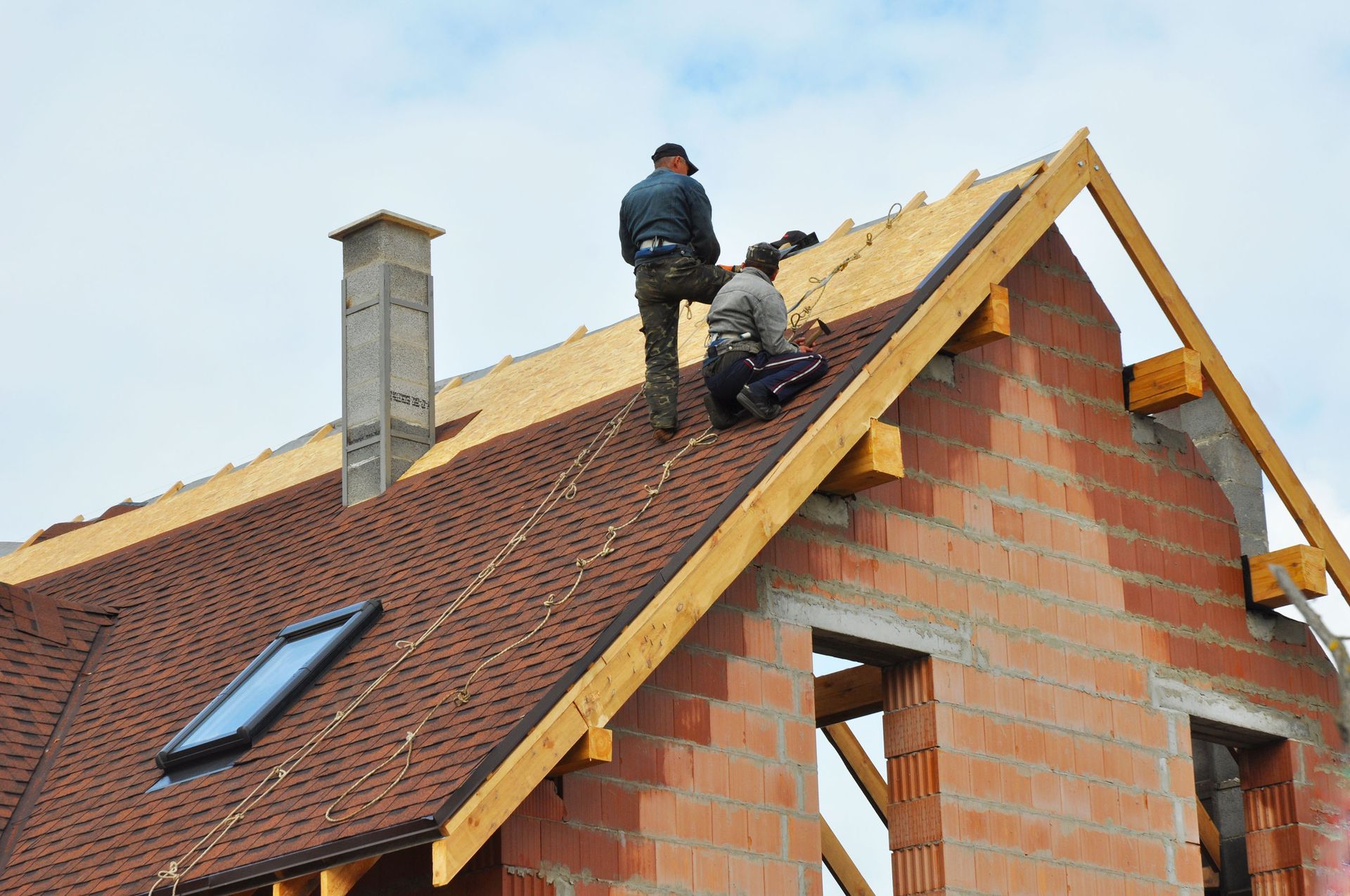
Even high-quality materials can fail if installation details are rushed. Crews focus on drip edges, valley construction, pipe boots, and step flashing around chimneys and dormers. They confirm shingle alignment, fastening patterns, and sealant placement to reduce wind uplift and water intrusion. These details are especially important at transitions, where most leaks begin.
Supporting Ventilation and Drainage Consistently
Balanced attic ventilation helps limit heat buildup and condensation, both of which shorten roof life. Contractors verify intake and exhaust placement, then recommend baffles, ridge vents, or mechanical solutions when needed. They also address gutters, downspouts, and drainage paths so water moves away from fascia boards and foundations.
Planning Ongoing Maintenance Proactively
Long-term durability improves when homeowners know what to monitor between major service intervals. A residential roofing company can provide maintenance checklists, advise on safe debris removal, and schedule periodic inspections after severe weather. With consistent follow-through, minor issues are corrected early, helping the roof deliver dependable protection year after year. Call Crest Roofing today to schedule your roofing service or consultation.