How Often Should You Inspect Your Roof in Florida?
7072882571 • December 3, 2025

December 3, 2025

Florida’s climate is one of the toughest in the country for roofing systems. High humidity, intense UV exposure, salt air, and frequent tropical storms all contribute to accelerated wear — even on newer roofs. As licensed Florida roofing professionals, we’re often asked:


“How often should I inspect my roof in Florida?”


Our expert answer: At least twice per year — plus a post-storm inspection after any major weather event.


Consistent inspections are the single most effective way to extend roof life, maintain insurance compliance, and prevent small issues from turning into costly structural damage.


Why Roof Inspections Matter More in Florida


Florida’s unique subtropical environment exposes roofs to conditions that can rapidly deteriorate essential components:


1. UV Radiation & Heat

Intense sunlight dries out shingles, weakens adhesives, and causes early granule loss.


2. Humidity & Moisture

Persistent moisture can penetrate aging sealants, creating hidden leaks, mold, and wood rot.


3. Salt Air (Coastal Homes)

Salt accelerates corrosion of metal roofing systems, fasteners, and flashing.


4. High-Wind Events

Tropical storms and hurricanes can:


  • Lift shingles and tiles
  • Break seals around vents
  • Damage flashing
  • Create wind-driven rain intrusion


A roofing system that appears intact from the ground can still hide damage that leads to thousands of dollars in interior repairs.


Recommended Inspection Schedule

To maintain resilience and insurance eligibility:


  • Spring Inspection — Prepares your home before hurricane season
  • Fall Inspection — Identifies post-summer or post-storm wear
  • After Any Major Storm — Essential due to potential hidden damage


How to Protect Your Roof Before a Hurricane

A well-maintained roof is your home’s primary defense during tropical systems. As licensed contractors, we recommend the following verified best practices:


1. Trim Surrounding Trees

Branches can become dangerous airborne projectiles in high winds.


2. Replace Loose or Missing Shingles/Tiles

Any vulnerability can lead to wind uplift and water intrusion.


3. Clean Gutters & Downspouts

Efficient drainage prevents damming and interior ceiling leaks.


4. Inspect Flashing and Sealants

Focus on:

  • Chimneys
  • Skylights
  • Valleys
  • Roof edges
    These are the most common failure points during wind-driven rain.


5. Install Hurricane Straps or Clips (Where Applicable)

These structural reinforcements improve roof-to-wall connections and may reduce insurance premiums.


After the Storm

Even without visible damage, schedule a post-storm inspection. Hidden issues often worsen gradually and may not be covered by insurance if not reported promptly.


Our Roof Installation Process (Step-by-Step Professional Overview)

When an inspection reveals significant wear or storm-related compromise, a replacement may be necessary. At Crest Roofing, our installations follow strict adherence to Florida Building Code and industry best practices.


1. Initial Inspection & Detailed Estimate

We assess structural integrity, ventilation, decking, and material lifespan.


2. Tear-Off & Surface Preparation

All worn materials are removed and the decking is inspected for rot or structural damage.


3. Underlayment Installation

We use high-quality, water-resistant underlayment engineered for Florida’s moisture and storm conditions.


4. New Roof Installation

Shingles, tile, or metal panels are installed with precise fastening methods rated for Florida wind zones.


5. Flashing, Ventilation, & Sealant Work

We reinforce all vulnerable transition points and confirm proper attic airflow.


6. Final Inspection, Cleanup & Certification

Your new roof is inspected to ensure long-term performance, safety, and compliance.


Signs Your Roof May Need Repair or Replacement

Florida homeowners should monitor for these indicators:


  • Missing, cracked, or curling shingles
  • Water stains or discoloration on ceilings/walls
  • Granules collecting in gutters
  • Sagging roof lines
  • Visible mold, rot, or musty smells in the attic


Early detection prevents costly structural damage and insurance complications.


What to Expect from a Florida-Licensed Roofing Contractor

Always work with a contractor who is:


  • Licensed (CCC number required)
  • Insured (General Liability + Workers’ Comp)
  • Experienced with Florida-specific roofing systems


At Crest Roofing, we meet all state requirements and use premium materials engineered for Florida’s climate — including impact-resistant metal systems, energy-efficient shingles, and durable tile installations.


What Does a Roof Inspection or Replacement Cost in Florida?


Inspection Costs:

Most homes fall between $150–$300, depending on:

  • Roof size
  • Pitch
  • Accessibility


Replacement Costs:

Average replacement ranges:

  • $12,000–$25,000, depending on:
  • Material choice
  • Roof complexity
  • Square footage
  • Coastal vs. inland location


We provide transparent, itemized estimates so you always know what to expect.


Keep Your Roof Florida-Strong with Crest Roofing

Your roof stands between your family and some of the nation’s harshest weather. Whether preparing for hurricane season or recovering after a storm, professional inspections are your best defense.


Ready to protect your home with a certified inspection?

Schedule your Florida roof inspection today — our licensed team is here to ensure your roof is storm-ready, code-compliant, and built to last.



By 7072882571 December 3, 2025
For years, many Florida homeowners faced the unofficial yet widely used “15-Year Roof Rule.” Insurance carriers often refused to renew policies for homes with asphalt shingle roofs older than 15 years—even when the roof was still performing well. As of 2025 , that is no longer allowed. Florida’s updated insurance law, Senate Bill 2-A (SB-2A) , prevents insurers from dropping your policy based solely on roof age , as long as you can provide a professional inspection confirming the roof has at least 5 years of useful life remaining . This shift from an arbitrary age requirement to a condition-based standard gives homeowners more control and more protection. Below is the CMS-friendly version of your optimized blog. From the 15-Year Rule to the 5-Year Useful Life Standard The old 15-year guideline created unnecessary stress for homeowners. SB-2A replaces that outdated approach with a much more accurate system. Key Points You Need to Know Insurers cannot deny or refuse to renew a policy solely because the roof is over 15 years old. You may provide a licensed roof inspection report verifying your roof’s condition. The inspector must confirm that your roof has at least five years of remaining useful life. If the report confirms this, roof age cannot be used as the reason for non-renewal. This means the true condition of your roof, not its age , determines your insurance eligibility. Insurance Eligibility vs. the 25% Florida Building Code Rule Two separate rules influence how roofing and insurance work in Florida. They are often confused but operate independently. 1. SB-2A (Insurance Eligibility) This governs whether an insurer can deny, renew, or drop your policy . It is based on roof condition , not age. 2. The 25% Rule in the Florida Building Code This governs roof repair requirements after damage. If more than 25% of a roof section is damaged during a 12-month period, that section must be replaced to meet current Florida Building Code standards. In summary: SB-2A affects your insurance policy. The 25% rule affects your roof repair process. How Insurers Evaluate Different Roof Types in Florida While the 15-year discussion mainly affects shingle roofs, insurance carriers evaluate all roof types based on age, condition, and risk. Asphalt Shingle Roofs This is the material most tied to SB-2A. During a Crest Roofing inspection, we evaluate: Granule loss Flexibility and brittleness Curling edges Cracked shingles Soft decking Failing seals and adhesives These factors determine whether the roof meets the 5-year remaining life requirement. Tile Roofs (Clay or Concrete) Tile roofs typically last 30–50+ years , but insurers still expect proof of condition. During tile inspections, we check for: Slipped or cracked tiles Underlayment deterioration Flashing failure Water intrusion beneath tiles Even if the tiles look great, the underlayment alone can cause a roof to fail inspection . Metal Roofs Metal roofing is popular for its superior wind resistance and longevity. We evaluate: Corrosion (especially near coastlines) Loose fasteners Panel uplift or separation Ridge cap integrity Underlayment health How Often Should You Inspect Your Roof in Florida? Because insurance decisions now depend on condition, proactive inspections are essential. Inspection Frequency Recommendations Asphalt Shingle Roofs: Every 2 to 3 years under normal conditions Annually once the roof is 10+ years old Immediately after any major hurricane, windstorm, or hail event Tile Roofs: Every 3 to 5 years Additional inspections if tiles slip, crack, or if you notice water staining inside Metal Roofs: Every 3 to 5 years More frequently if you live within a few miles of the coast due to salt corrosion Regular inspections help ensure policy renewals and reveal issues before they become expensive repairs. How to Protect Your Insurance Coverage Under SB-2A If your roof is aging or you received an insurance notice, follow these steps: 1. Be Proactive If your shingle roof is over 12 years old, schedule an inspection now—don’t wait for a non-renewal letter. 2. Get a Certified Roof Inspection This is the most important step. A Crest Roofing certified inspection provides: Photographic evidence Detailed condition reporting Remaining useful life estimate Documentation accepted by insurers 3. Keep All Documentation Maintain a file with: Inspection reports Repair invoices Warranty info Maintenance receipts Insurers favor homeowners who stay organized. 4. Communicate With Your Insurance Agent Provide reports promptly and proactively to strengthen your renewal case. What Happens If You Need a New Roof? If inspection results show your roof does not meet the “5-year useful life” threshold, replacement may be the only path to maintain your policy. Here’s what to expect with Crest Roofing: 1. Transparent Consultation & Estimate We explain roofing material options—shingle, tile, metal—and which best supports both your home and your insurance outlook. 2. Permitting & Preparation We handle: City permits HOA approvals Material delivery Property protection 3. Florida-Code-Compliant Roof Installation Your new roof will comply with the most recent Florida Building Code standards, including those for high-velocity hurricane zones. 4. Final Cleanup & Inspection We ensure your home is spotless and the installation passes all final inspections. Protect Your Home and Your Policy with a Crest Roofing Inspection SB-2A gives Florida homeowners more control than ever. Your roof’s condition—not its age —is now what determines insurability. Don’t guess—get the documentation you need to renew confidently. Crest Roofing provides: Certified roof condition reports Insurance-compatible documentation Honest, expert assessments Clear recommendations for repair or replacement Contact Crest Roofing today to schedule your certified roof inspection.
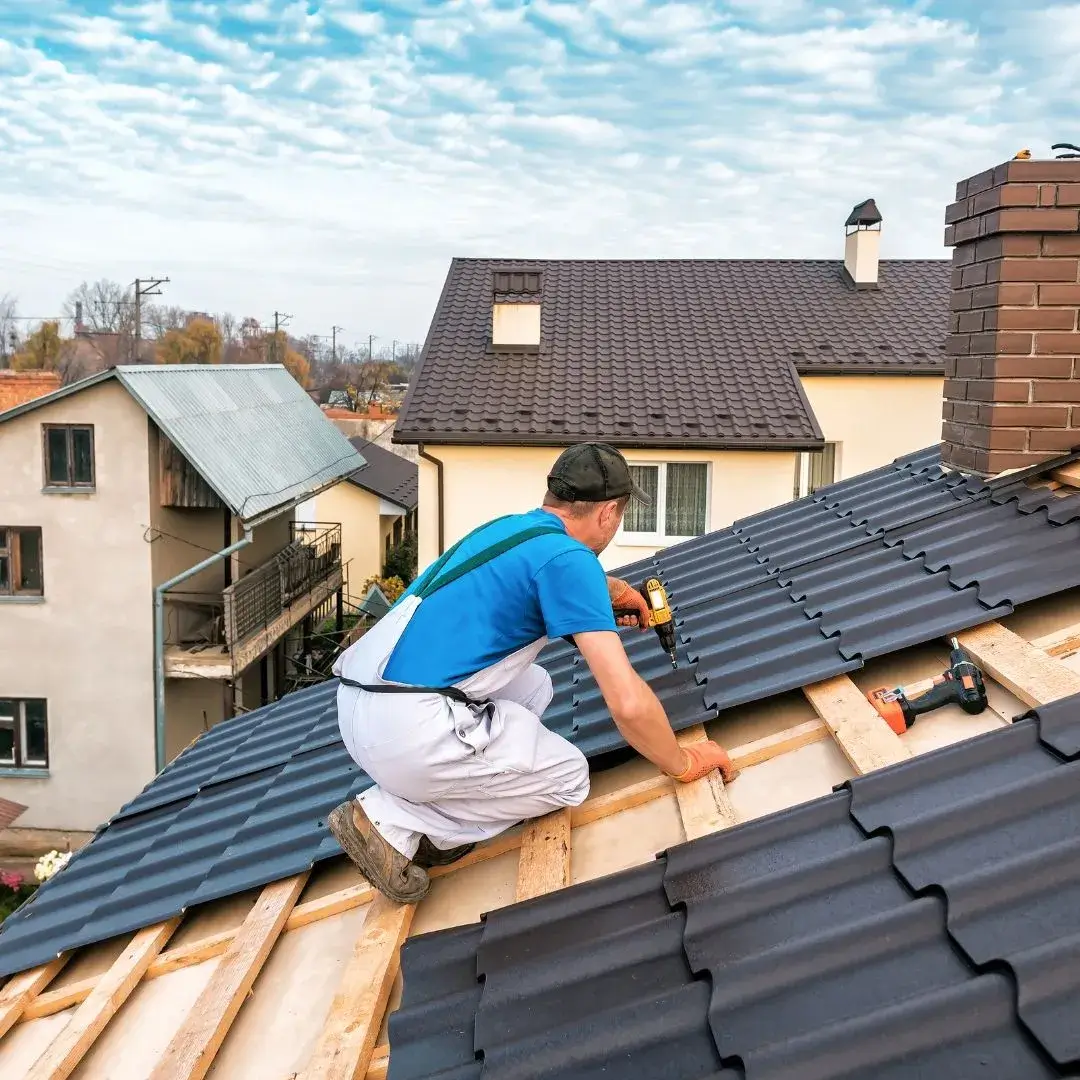
Roofer using a nail gun to install brown asphalt shingles on a wooden roof.
September 26, 2025
Discover the best roofing materials for South Florida homes. Compare tile, metal, and shingles for durability, hurricane resistance, and energy efficiency.
Damaged brown tiled roof with exposed rafters and a brick chimney against a blue sky.
August 25, 2025
Learn Florida’s strict roofing underlayment requirements, why code compliance matters for insurance, and how Crest Roofing keeps your home protected.
Show More →