Is a New Roof in Florida a Good Investment?
7072882571 • June 27, 2025

June 27, 2025

If you’re preparing to sell your home in South Florida, one question can cause a lot of stress:

Should I replace my roof before listing my house?

Buyers today want move-in-ready homes, and in Florida—where unpredictable storms, heavy rain, and harsh sunlight are part of everyday life—your roof plays a major role in whether a sale closes smoothly or turns into a negotiation headache.

Whether you’ve been Googling “how much does a new roof cost in Florida?”, considering a metal upgrade, or wondering if a repair is enough, this guide breaks down everything you need to know to make a smart, confident decision.

Roof Repair vs. Replacement: What Makes the Most Sense When Selling?

If your roof is only a few years old, repairing a minor leak or replacing a couple of shingles might be all you need.
But if your roof is
15 to 25 years old, repairs can pile up—and buyers, inspectors, and appraisers notice patchwork quickly.

A newer roof provides immediate benefits:

  • Buyers see it as proof your home has been well maintained.
  • Inspections and negotiations go smoother.
  • You reduce the chances of unexpected repair requests during escrow.
  • Your home photographs better and attracts more interest online.

If your roof is aging and showing visible wear, a new roof can prevent buyers from walking away or lowballing you.

When a Partial Roof Replacement Makes Sense

You don’t always need a full roof replacement to increase your home’s value.

If most of your roof is in strong condition but a single slope or section is aging, a partial replacement can:

  • Improve appearance
  • Stop small leaks before they grow
  • Reduce buyer objections
  • Boost curb appeal
  • Save you thousands compared to a full replacement

Not sure which approach is right?
Schedule a professional inspection here:
schedule a free roof inspection → [insert link]

Our team will evaluate your roof, document its condition, and help you choose the most cost-effective option for your home and selling timeline.

How a New Roof Helps Your Home Stand Out to Buyers

A roof is one of the first things buyers notice—both visually and structurally. Installing a new roof before listing offers several major advantages:

1. Instantly Improves Curb Appeal

A fresh roof—whether shingle, tile, or metal—sharpens your home’s appearance and enhances listing photos. Homes with new roofs often get more showings and stronger offers.

2. Increases Energy Efficiency

Today’s roofing materials are more reflective, better insulated, and energy-smart. Florida buyers appreciate features that help reduce AC usage and monthly utility bills.

3. Provides Long-Term Peace of Mind

Buyers don’t want to inherit a roof problem. A new roof gives them confidence and reduces their future maintenance costs—making your home more competitive.

If you’d like to review what goes into a replacement, check out our roofing replacement checklist → [insert internal link]

4. Boosts Storm Readiness

Florida weather is no joke. A new, hurricane-rated roof tells buyers your home is better equipped to handle strong winds and tropical storms.


For official preparedness resources, see NOAA’s hurricane readiness page.

Does a Metal Roof Lower Your Insurance in Florida?

Often, yes.

Metal roofs are one of the most durable options for Florida homeowners. Because they are resistant to fire, impact, and high winds, many insurers view metal as a lower-risk roofing system, which may lead to premium reductions.


However, discounts vary based on:


  • your roof’s geometry
  • the installation method
  • compliance with the Florida Building Code requirements
  • manufacturer specifications
  • whether the roof is certified for high-velocity hurricane zones


Keep in mind, insurers do not guarantee discounts—so always confirm with your provider before upgrading.


How to Get Insurance to Pay for Your Roof Replacement in Florida

If your roof is damaged by a covered event—like wind, hail, or debris—your policy may pay for some or all of the replacement. Here’s how to maximize your chances of approval:


1. Document the Damage Immediately

Take wide shots, close-ups, and clear photos of affected areas. Time-stamp everything.


2. Schedule a Professional Inspection

A licensed roofing contractor’s report carries significant weight with insurers. We assess the full extent of the damage, provide photographic evidence, and help you understand your coverage.


3. File Your Claim Promptly

Florida policies have strict deadlines. Waiting too long can result in denial.


4. Work With a Roofing Company Experienced in Insurance Claims

Crest Roofing works directly with adjusters to streamline the process, ensuring:

  • accurate documentation
  • correct claim submission
  • code-compliant repair or replacement


You can read our roofing insurance guide for Florida homeowners → [insert internal link] to understand how claims work.


Is a New Roof Actually a Good Investment?

For most Florida sellers, yes—a new roof can significantly improve your home’s resale value and eliminate major buyer objections.


Homeowners who replace their roof before listing often experience:


  • higher buyer confidence
  • fewer repair negotiations
  • faster offers
  • smoother inspections
  • increased appraisal accuracy
  • stronger curb appeal


And if plans change and you don’t sell?
You still benefit from:


  • longer roof lifespan
  • lower maintenance costs
  • improved energy efficiency
  • potential insurance savings
  • increased storm resilience


It’s a win either way.


Still Unsure Whether You Need a New Roof Before Selling? Let’s Talk.

Call us at (954) 586-5866 or send us a message anytime.

We’ll evaluate your roof’s condition, explain the best options for your neighborhood and price point, and help you make a confident decision before listing your home.


Your Trusted South Florida Roofer

With over 25 years of hands-on experience, Crest Roofing is a veteran-owned, licensed, and insured roofing company serving all of South Florida.


By 7072882571 December 3, 2025
For years, many Florida homeowners faced the unofficial yet widely used “15-Year Roof Rule.” Insurance carriers often refused to renew policies for homes with asphalt shingle roofs older than 15 years—even when the roof was still performing well. As of 2025 , that is no longer allowed. Florida’s updated insurance law, Senate Bill 2-A (SB-2A) , prevents insurers from dropping your policy based solely on roof age , as long as you can provide a professional inspection confirming the roof has at least 5 years of useful life remaining . This shift from an arbitrary age requirement to a condition-based standard gives homeowners more control and more protection. Below is the CMS-friendly version of your optimized blog. From the 15-Year Rule to the 5-Year Useful Life Standard The old 15-year guideline created unnecessary stress for homeowners. SB-2A replaces that outdated approach with a much more accurate system. Key Points You Need to Know Insurers cannot deny or refuse to renew a policy solely because the roof is over 15 years old. You may provide a licensed roof inspection report verifying your roof’s condition. The inspector must confirm that your roof has at least five years of remaining useful life. If the report confirms this, roof age cannot be used as the reason for non-renewal. This means the true condition of your roof, not its age , determines your insurance eligibility. Insurance Eligibility vs. the 25% Florida Building Code Rule Two separate rules influence how roofing and insurance work in Florida. They are often confused but operate independently. 1. SB-2A (Insurance Eligibility) This governs whether an insurer can deny, renew, or drop your policy . It is based on roof condition , not age. 2. The 25% Rule in the Florida Building Code This governs roof repair requirements after damage. If more than 25% of a roof section is damaged during a 12-month period, that section must be replaced to meet current Florida Building Code standards. In summary: SB-2A affects your insurance policy. The 25% rule affects your roof repair process. How Insurers Evaluate Different Roof Types in Florida While the 15-year discussion mainly affects shingle roofs, insurance carriers evaluate all roof types based on age, condition, and risk. Asphalt Shingle Roofs This is the material most tied to SB-2A. During a Crest Roofing inspection, we evaluate: Granule loss Flexibility and brittleness Curling edges Cracked shingles Soft decking Failing seals and adhesives These factors determine whether the roof meets the 5-year remaining life requirement. Tile Roofs (Clay or Concrete) Tile roofs typically last 30–50+ years , but insurers still expect proof of condition. During tile inspections, we check for: Slipped or cracked tiles Underlayment deterioration Flashing failure Water intrusion beneath tiles Even if the tiles look great, the underlayment alone can cause a roof to fail inspection . Metal Roofs Metal roofing is popular for its superior wind resistance and longevity. We evaluate: Corrosion (especially near coastlines) Loose fasteners Panel uplift or separation Ridge cap integrity Underlayment health How Often Should You Inspect Your Roof in Florida? Because insurance decisions now depend on condition, proactive inspections are essential. Inspection Frequency Recommendations Asphalt Shingle Roofs: Every 2 to 3 years under normal conditions Annually once the roof is 10+ years old Immediately after any major hurricane, windstorm, or hail event Tile Roofs: Every 3 to 5 years Additional inspections if tiles slip, crack, or if you notice water staining inside Metal Roofs: Every 3 to 5 years More frequently if you live within a few miles of the coast due to salt corrosion Regular inspections help ensure policy renewals and reveal issues before they become expensive repairs. How to Protect Your Insurance Coverage Under SB-2A If your roof is aging or you received an insurance notice, follow these steps: 1. Be Proactive If your shingle roof is over 12 years old, schedule an inspection now—don’t wait for a non-renewal letter. 2. Get a Certified Roof Inspection This is the most important step. A Crest Roofing certified inspection provides: Photographic evidence Detailed condition reporting Remaining useful life estimate Documentation accepted by insurers 3. Keep All Documentation Maintain a file with: Inspection reports Repair invoices Warranty info Maintenance receipts Insurers favor homeowners who stay organized. 4. Communicate With Your Insurance Agent Provide reports promptly and proactively to strengthen your renewal case. What Happens If You Need a New Roof? If inspection results show your roof does not meet the “5-year useful life” threshold, replacement may be the only path to maintain your policy. Here’s what to expect with Crest Roofing: 1. Transparent Consultation & Estimate We explain roofing material options—shingle, tile, metal—and which best supports both your home and your insurance outlook. 2. Permitting & Preparation We handle: City permits HOA approvals Material delivery Property protection 3. Florida-Code-Compliant Roof Installation Your new roof will comply with the most recent Florida Building Code standards, including those for high-velocity hurricane zones. 4. Final Cleanup & Inspection We ensure your home is spotless and the installation passes all final inspections. Protect Your Home and Your Policy with a Crest Roofing Inspection SB-2A gives Florida homeowners more control than ever. Your roof’s condition—not its age —is now what determines insurability. Don’t guess—get the documentation you need to renew confidently. Crest Roofing provides: Certified roof condition reports Insurance-compatible documentation Honest, expert assessments Clear recommendations for repair or replacement Contact Crest Roofing today to schedule your certified roof inspection.
By 7072882571 December 3, 2025
Florida roofs need twice-yearly inspections plus post-storm checks. Learn how often, why it matters, costs, and hurricane-season prep from licensed experts.
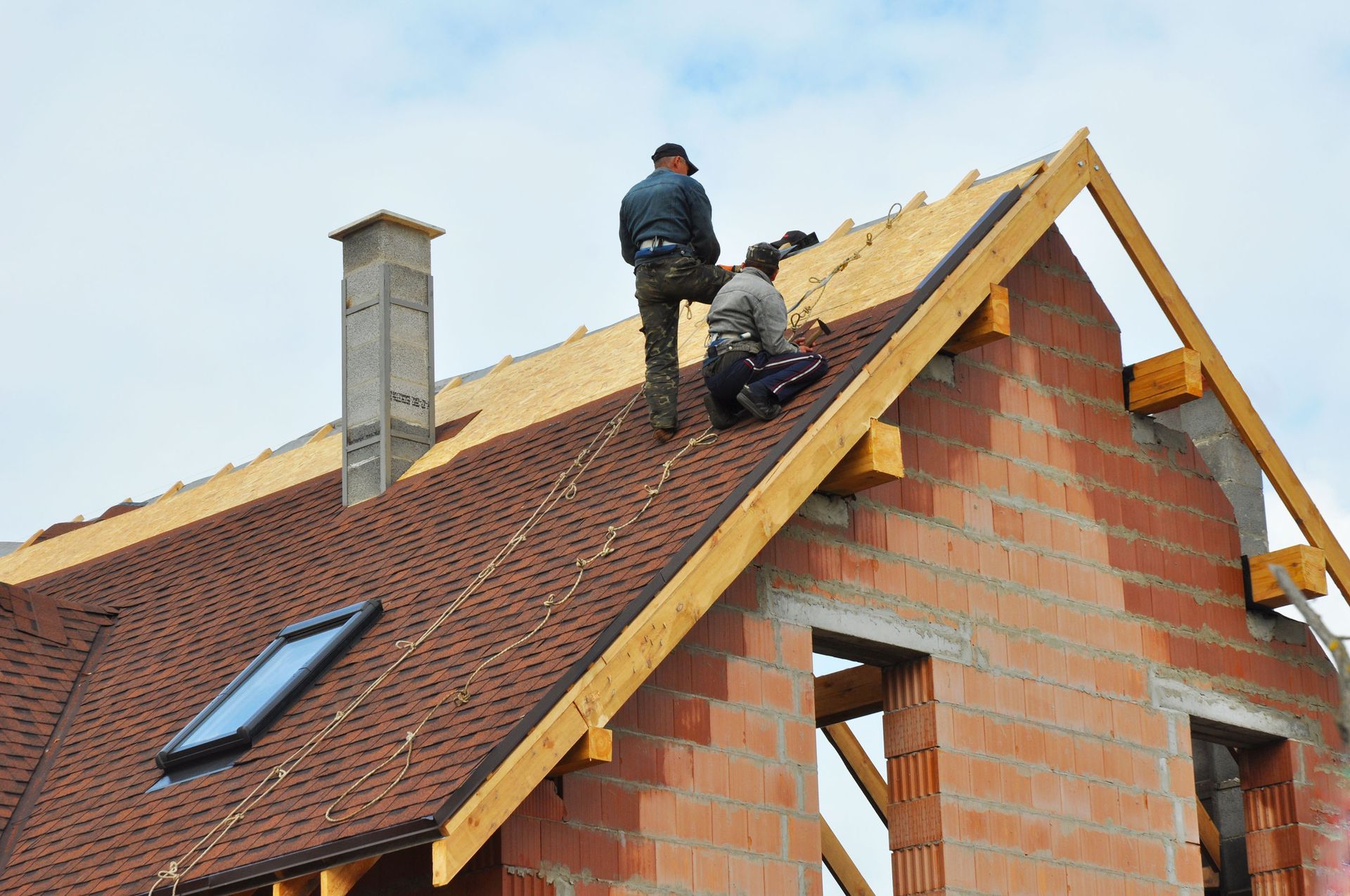
Roofer using a nail gun to install brown asphalt shingles on a wooden roof.
September 26, 2025
Discover the best roofing materials for South Florida homes. Compare tile, metal, and shingles for durability, hurricane resistance, and energy efficiency.
Show More →