When it comes to roofing in Florida, longevity matters, between the scorching sun, heavy rains, and hurricane-force winds , your roof takes a beating year after year. One of the most common questions we get at Crest Roofing is: “How long will my roof last in Florida?”
The truth is that your roof’s lifespan depends heavily on the material you choose and the extreme climate it must endure. Below is a Florida-specific, real-world breakdown of tile, shingle, and metal roof lifespans—not the unrealistic national averages or manufacturer marketing claims.
Why Roof Lifespan in Florida Is Different
Florida’s climate accelerates aging faster than almost anywhere else in the country. The combination of:
- intense UV exposure
- high humidity
- salt air near the coast
- tropical storms and hurricanes
creates a harsh environment that shortens most roofing materials’ lifespans.
This is why Florida homeowners should rely on realistic, climate-based expectations, not generic national charts.
To better understand why Florida roofs deteriorate differently, you can review the Florida Building Code requirements, which outline strict material and installation standards for our state’s High-Velocity Hurricane Zones.
Tile Roofs: Built for Beauty and Longevity
Realistic Florida Lifespan: 30–50 years with proper maintenance
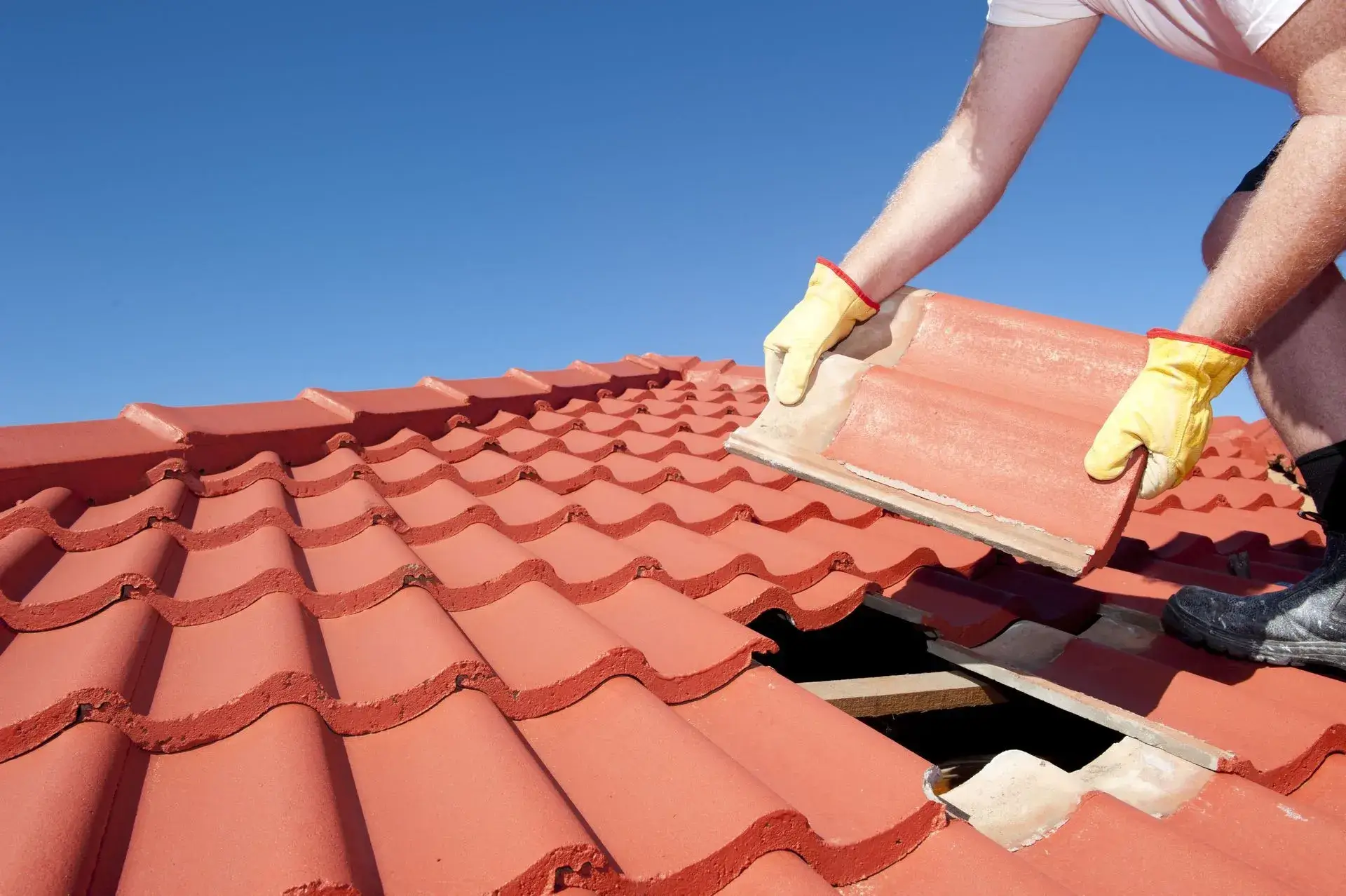
Tile roofs—especially concrete and clay—are known for their exceptional durability. They handle heat, salt exposure, and high winds better than most roofing systems, making them a favorite for coastal and Mediterranean-style homes.
Pros
- Fire-resistant and energy-efficient
- Withstand hurricanes better than shingles
- High curb appeal with long-term value
Cons
- Heavier material may require structural reinforcement
- Individual tiles can crack if walked on or struck by debris
- Higher upfront cost (but long-term lifespan offsets it)
Tile roofs are resilient, but much of their longevity depends on the underlayment, which often needs replacement before the tiles do. This is where routine inspections—performed by a licensed Florida roofing contractor—are crucial.
For hurricane vulnerability information, homeowners can reference FEMA wind damage guidance.
Asphalt Shingle Roofs: Popular, Affordable, and Practical
Realistic Florida Lifespan: 15–20 years (architectural shingles last longer)
Asphalt shingles are the most widely used roofing material in the U.S., including Florida. Their affordability and versatility make them a practical choice, but they are more susceptible to heat, wind uplift, and algae growth—common issues in the Sunshine State.
Pros
- Lower upfront cost
- Easy to install and repair
- Wide variety of colors and architectural styles
Cons
- More vulnerable to UV breakdown and wind damage
- Requires regular maintenance
- Often needs replacement more than once over a home’s lifespan
If you want to maximize the life of a Florida shingle roof, annual inspections are essential. For industry quality guidelines, see the NRCA roof inspection best practices (https://www.nrca.net/).
Metal Roofs: The Storm-Resistant Powerhouse
Realistic Florida Lifespan: 40–70 years depending on metal type
Metal roofs are increasingly popular among Florida homeowners due to their outstanding wind resistance and minimal maintenance needs. Many metal systems can withstand wind gusts well above 140 mph—ideal for hurricane-prone regions.
Pros
- Exceptional wind resistance
- Reflective coating reduces cooling costs
- Resistant to mold, mildew, and pests
- Environmentally friendly and recyclable
Cons
- Higher upfront investment
- Can be noisier during heavy rain (easy to mitigate with insulation)
- Must be installed correctly to avoid corrosion or leaks
Metal performs extremely well in Florida’s climate, especially in inland areas. Coastal installations require materials with proper corrosion ratings and protective coatings.
So, Which Roof Lasts the Longest in Florida?
Here’s the straightforward, CMS-friendly breakdown:
- Tile: 30–50 years
Ideal for homeowners seeking durability, aesthetics, and long-term investment. - Shingle: 15–20 years
Best for budget-conscious homeowners or those who may relocate within a decade or two. - Metal: 40–70 years
The top choice for long-term durability and hurricane resilience.
However, the “best” roof is not just the one that lasts the longest—it’s the one that best fits your home, budget, location, and long-term plans.
Extend Your Roof’s Lifespan with Proper Maintenance
No matter what material your roof is made of, routine maintenance is the key to reaching—or exceeding—its expected life.
At Crest Roofing, we recommend:
- Annual roof inspections
- Immediate repair of cracked tiles, lifted shingles, or loose metal fasteners
- Keeping gutters and valleys clear of debris
- Addressing algae or moss early to prevent deterioration
If you live in a coastal region, regular inspections become even more important due to salt exposure.
Need Help Choosing the Right Roof for Your Florida Home?
Crest Roofing has installed hundreds of tile, shingle, and metal roofs throughout Florida, and we understand the unique demands of our climate. Whether you’re choosing materials for a new build or replacing an aging roof, our experts will walk you through the best options for your home and budget.
Contact Crest Roofing today to schedule a roofing consultation or inspection.
Your roof is your first line of defense—let’s make sure it’s built to last.